ARTISTS

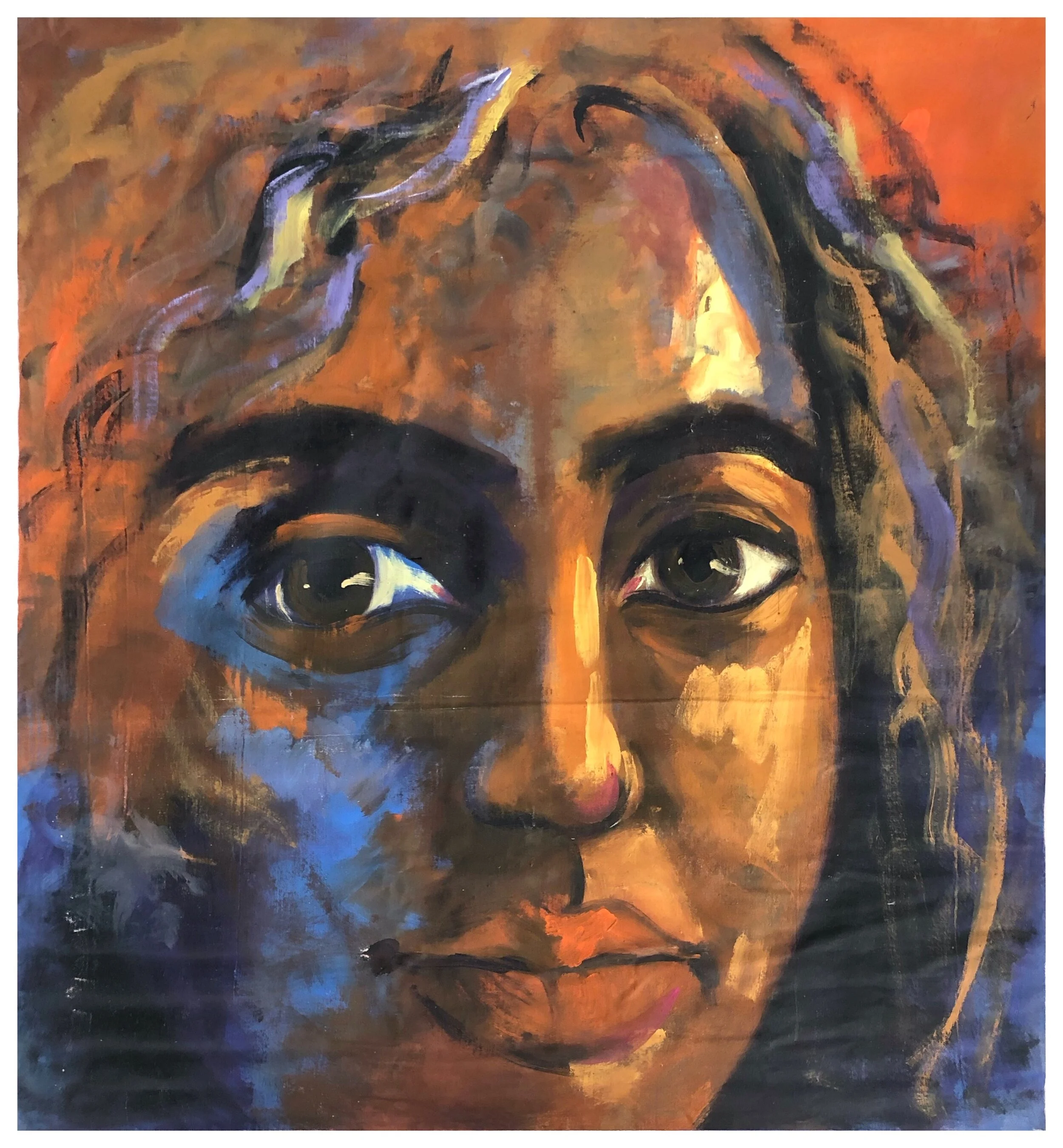
a women

KEITH HARING

Keith Haring (1958–1990) was an iconic American pop artist and activist who bridged the gap between street art and the fine art establishment. Famous for his bold, graphic designs, fluid lines, and signature motifs like the "Radiant Baby," his work became a defining visual language of the 1980s
Keith Haring (1958–1990) was an iconic American pop artist and activist who bridged the gap between street art and the fine art establishment. Famous for his bold, graphic designs, fluid lines, and signature motifs like the "Radiant Baby," his work became a defining visual language of the 1980s

a women

STREET AND POP ART

(

1

)

SELECTED

WORKS

WORKS

a painting

Dog

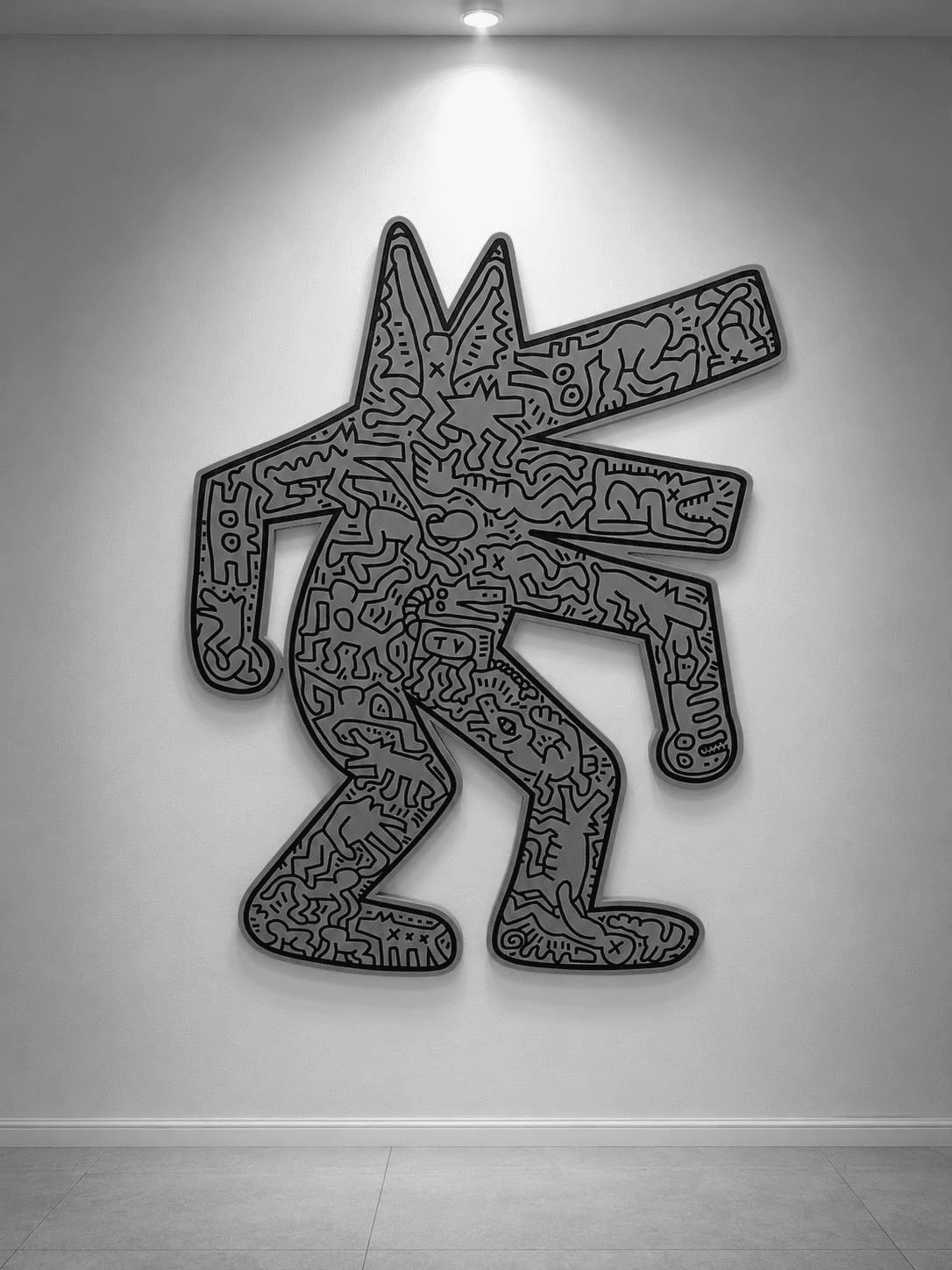
Unlike his simpler barking dog icons, this "detail" version features a body filled with a dense, chaotic internal landscape of figures and symbols: Anubis Influence: The large, standing silhouette is reminiscent of Anubis, the ancient Egyptian god of death and the afterlife, reflecting Haring’s interest in "modern hieroglyphics". Internal Narrative: The interior is filled with "picture-words" depicting themes of sex, violence, control, and chaos. The Crawling Baby: In the lower left foot, Haring included his signature "radiant baby," which serves as an emblem of hope and a positive future amidst the surrounding turmoil. Social Context: Created during the height of the HIV/AIDS epidemic in New York, the work is often interpreted as a commentary on oppression, authority, and the socio-political struggles of the 1980s.

a painting

Dog

Unlike his simpler barking dog icons, this "detail" version features a body filled with a dense, chaotic internal landscape of figures and symbols: Anubis Influence: The large, standing silhouette is reminiscent of Anubis, the ancient Egyptian god of death and the afterlife, reflecting Haring’s interest in "modern hieroglyphics". Internal Narrative: The interior is filled with "picture-words" depicting themes of sex, violence, control, and chaos. The Crawling Baby: In the lower left foot, Haring included his signature "radiant baby," which serves as an emblem of hope and a positive future amidst the surrounding turmoil. Social Context: Created during the height of the HIV/AIDS epidemic in New York, the work is often interpreted as a commentary on oppression, authority, and the socio-political struggles of the 1980s.

a painting

Dog

Unlike his simpler barking dog icons, this "detail" version features a body filled with a dense, chaotic internal landscape of figures and symbols: Anubis Influence: The large, standing silhouette is reminiscent of Anubis, the ancient Egyptian god of death and the afterlife, reflecting Haring’s interest in "modern hieroglyphics". Internal Narrative: The interior is filled with "picture-words" depicting themes of sex, violence, control, and chaos. The Crawling Baby: In the lower left foot, Haring included his signature "radiant baby," which serves as an emblem of hope and a positive future amidst the surrounding turmoil. Social Context: Created during the height of the HIV/AIDS epidemic in New York, the work is often interpreted as a commentary on oppression, authority, and the socio-political struggles of the 1980s.